From black-box scheduling to operational control
Most schedulers hand you a plan and stop there. Intelligence picks up where they stop, turning every plan into evidence about what's working, what's hiding, and what would change if you reshaped the operation.
















Intelligence on top of optimization
Optimization auto-generates your schedules. Intelligence helps you work with them.
Automatically generate feasible schedules under real-world constraints.
Insights and intelligence that turns scheduling into a strategic lever.
Optimization is just step one
What scheduling optimization with Timefold unlocks.
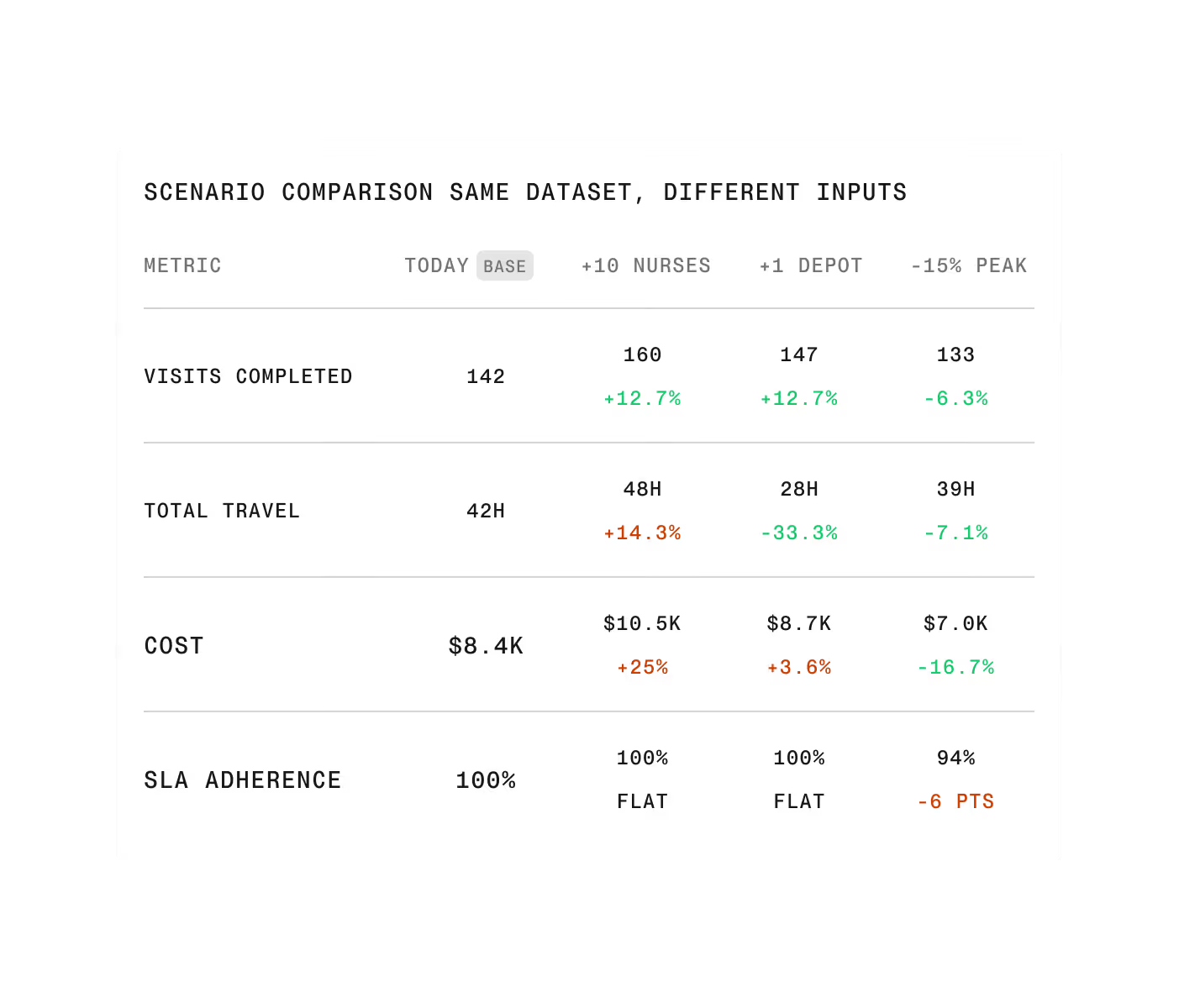

Simulate change, see what happens to your schedules
Safely test future scenarios in a sandboxed environment, before the real world forces your hand. Add ten nurses with surgical skills. Drop a depot. Cut peak-hour staffing by 15%. Run the same problem with each variation, and read the impact on the metrics that matter.
Hiring decisions, capacity changes, geographic expansions, and SLA changes get rehearsed against your real data. You commit to the variant the numbers support.
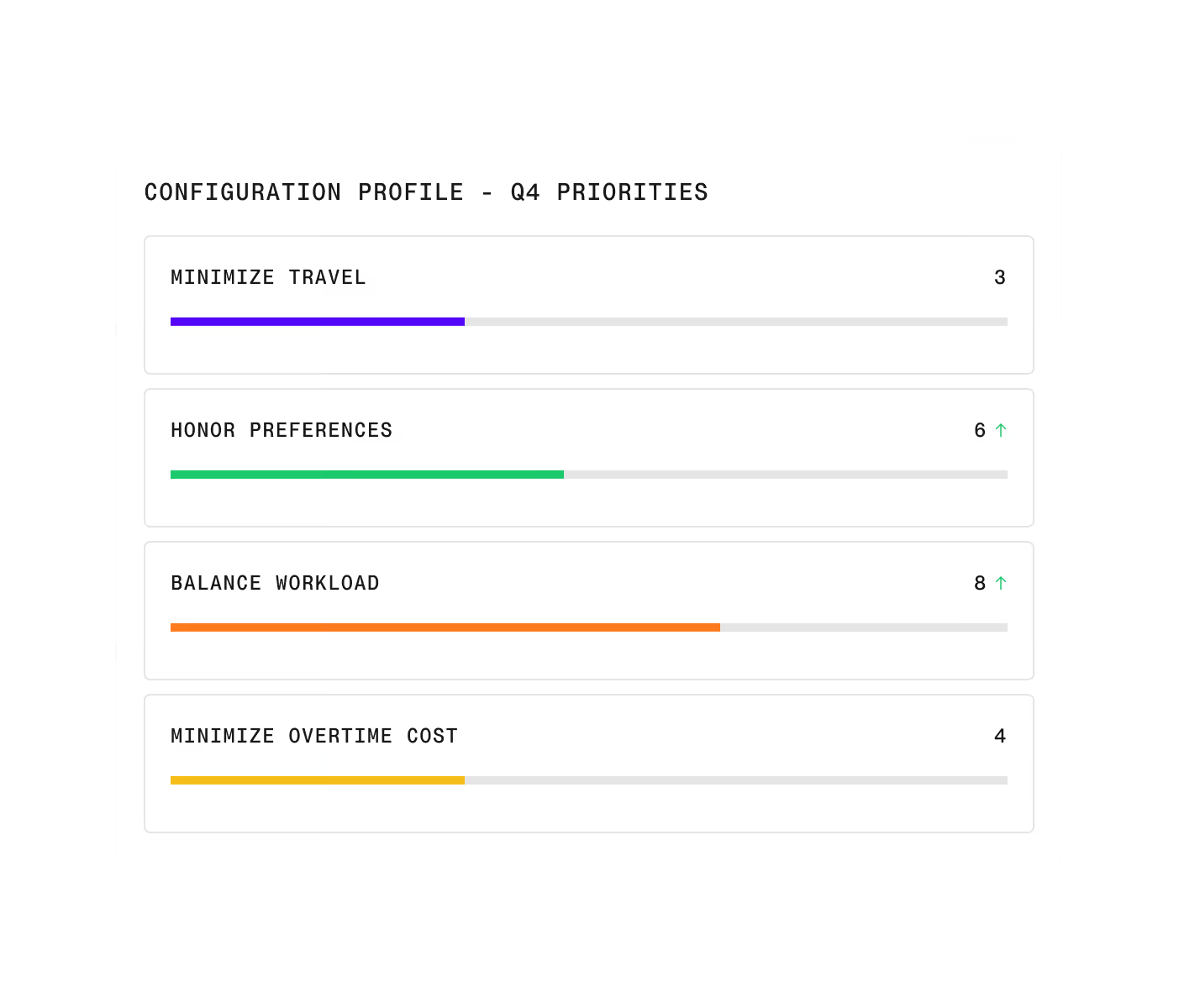
Align optimization goals with what your business cares about, today
Cost. Fairness. Service quality. Environmental impact. Priorities shift across the year, the quarter, or the customer. When yours change, reweight the constraints in a configuration profile, re-run on a representative dataset, compare, and ship the new profile.
No code changes. No engineering tickets. The vocabulary your business uses is the vocabulary the platform speaks.
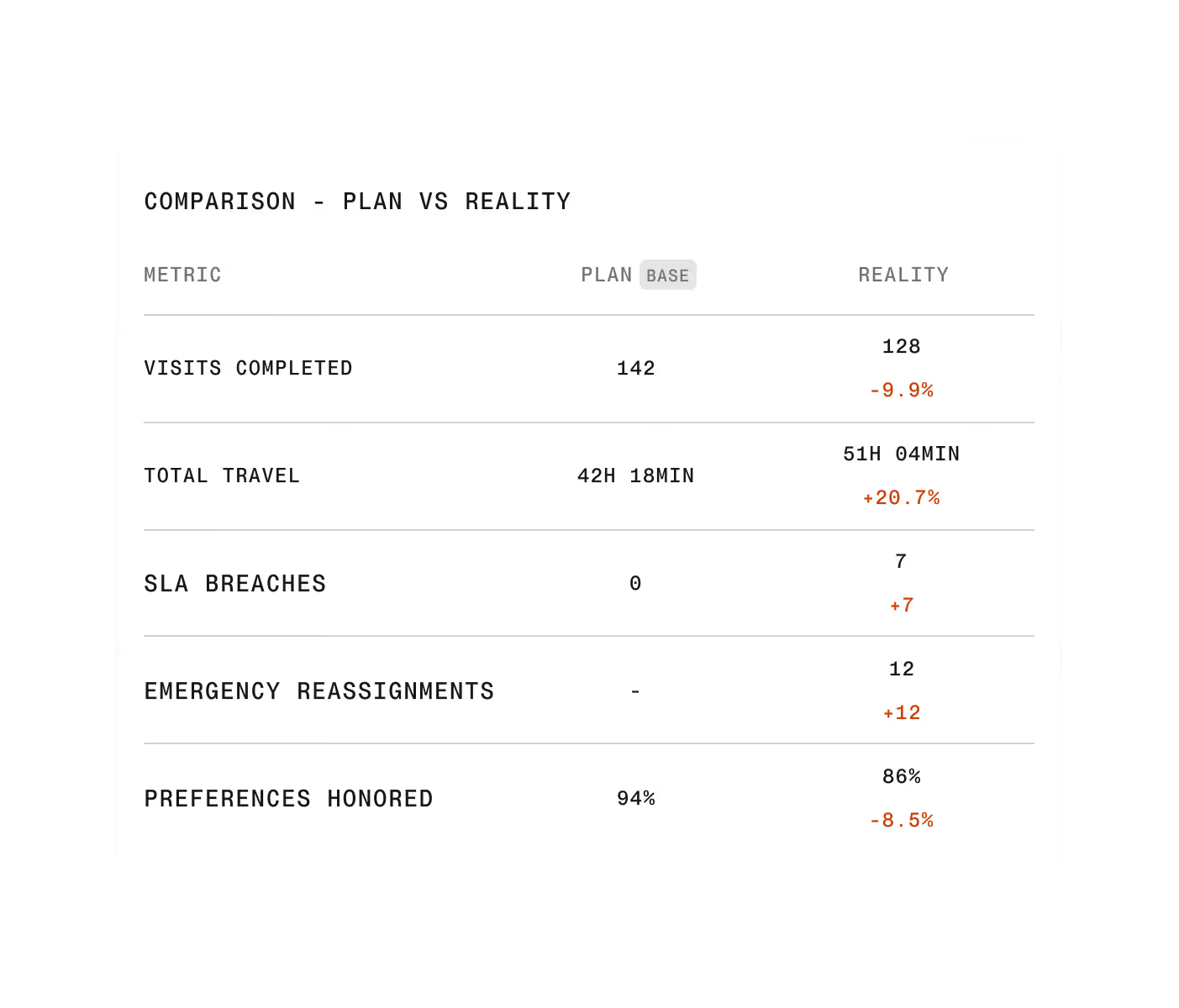
Compare what you planned with what actually happened
After execution, send the same dataset back with the real-world assignments. The platform evaluates them as-is, no re-solving, and places the optimized plan and the actual day side by side.
You see where reality forced your operation to diverge. Delays, reassignments, missed time windows, abandoned routes, emergency jobs. At scale, across a quarter, not anecdotally.
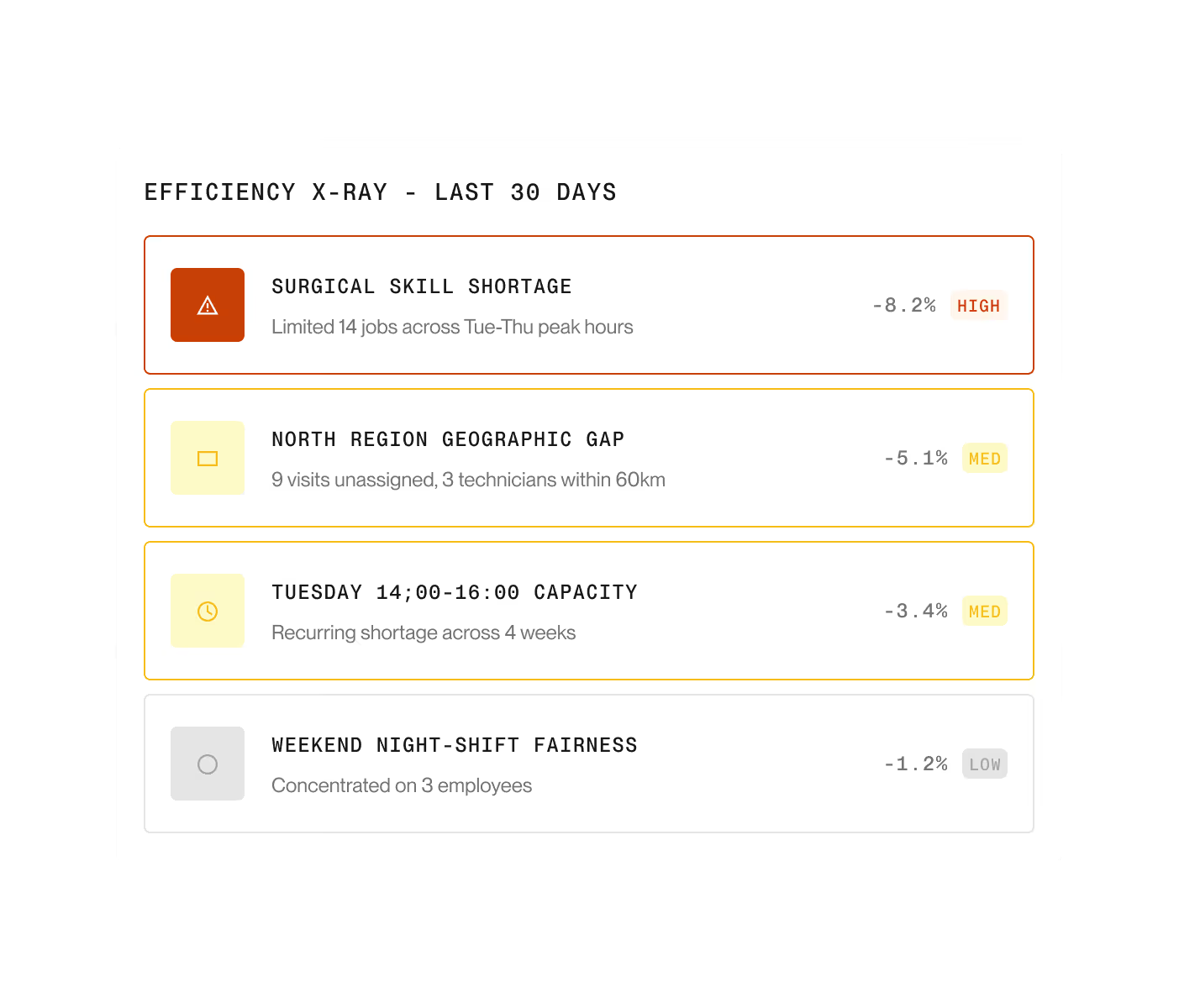
Find the bottlenecks before they limit you
X-Ray reports analyze plans across time and surfaces to uncover what's holding the operation back. Skills that consistently limit job completion. Time windows where capacity is short. Geographies where shortages cluster. The feedback loop between capacity planning and operational reality, turned into an artifact your operations leaders can act on.
Specific X-ray visualizations vary per model.
Impact across your organization
The compound effect of running on Timefold is felt across departments. Every plan creates evidence. Every cycle improves the next plan.
Scheduling as a strategic lever.
SLA adherence, workforce utilization, and operational decisions made on evidence rather than instinct. The numbers leadership needs to defend.
Design schedules. Stop fixing them.
Goal alignment in the UI, no coding. Pin what's known, plan around it. Compare a candidate plan against a baseline before sign-off.
Teams solving real scheduling problems
Our customers about their Timefold experience.


"Timefold worked in partnership with NEC to provide the optimisation required and extended their platform to accommodate specific requirements for the Social Housing sector. The time to market was shortened through agile partnerships working."

"Tasked with a complex scheduling problem for a prospect, we were operational in real-time, with real data in 4 days. Thanks in large part to the solid foundation of Timefold, the client selected us on the strength of our demonstration."

"We needed a solution that would integrate seamlessly into our technology stack. Timefold’s engineering-first mindset immediately stood out. Their capabilities are advanced and comprehensive, their APIs are exceptionally clean, and their economic model is both uncomplicated and well aligned with organizations that rely on a platform provider."


When scheduling works, everything works.
Less waste. More control. Teams that trust the plan.