Optimization projects don't fail on math
They fail on adoption. Explainability & trust is the layer that gets your operational planners and field teams from “I don't know what this is” to “I see why”.
















What trust actually requires
Four things planning software has to deliver before anyone will rely on it for their day's work.
Correct & feasible
80% feasible is 100% useless. Hard rules - legal limits, skills, working time - never broken.
Explainable
A reason behind every assignment, every tradeoff, every exception. No black box.
Honest about failure
When no feasible plan exists, say so - and which constraint, resource, or input led there.
Adaptable
Planners can pin, override, and propose changes - and instantly see how the plan responds.
The toolkit
What the platform gives you to deliver on the four. The surfaces planners and developers actually use during a rollout.
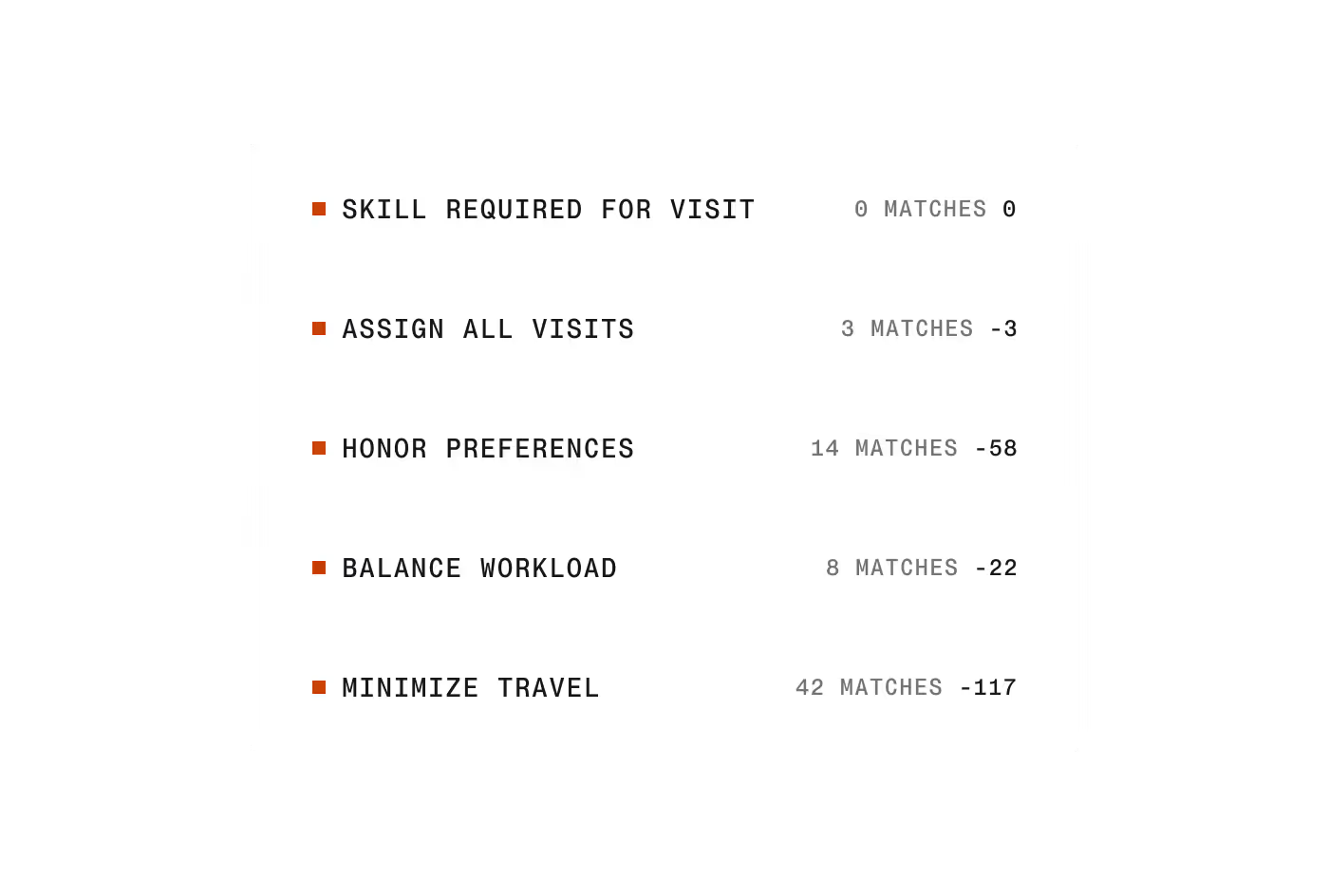
Why the plan scored the way it did
A constraint-by-constraint breakdown of where the plan loses or earns score. Justifications exportable for stakeholder review.
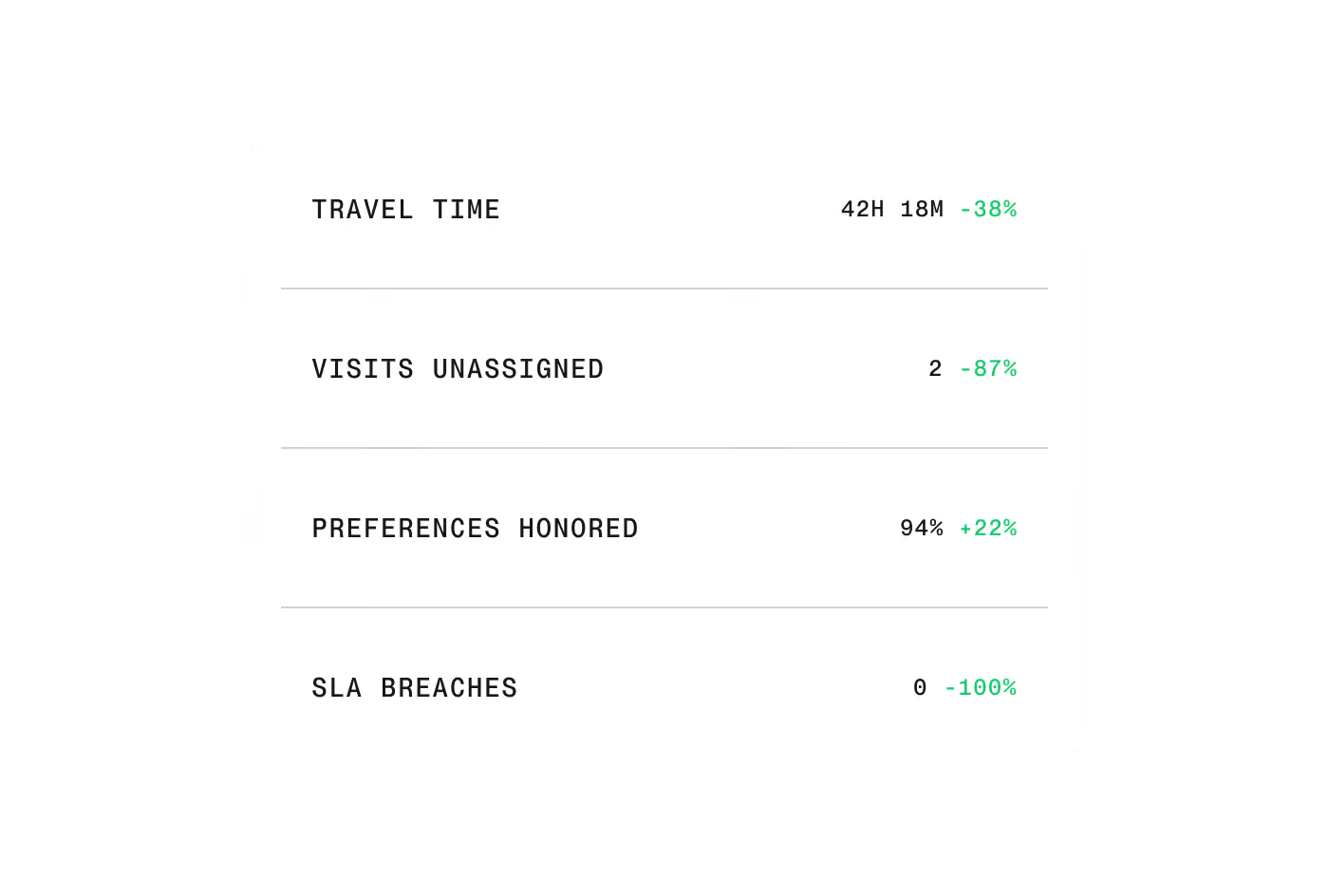
Tune behavior, without redeploying
Business metrics in the language of the operation - mileage, unassigned visits, preferences honored - and how much they improved.
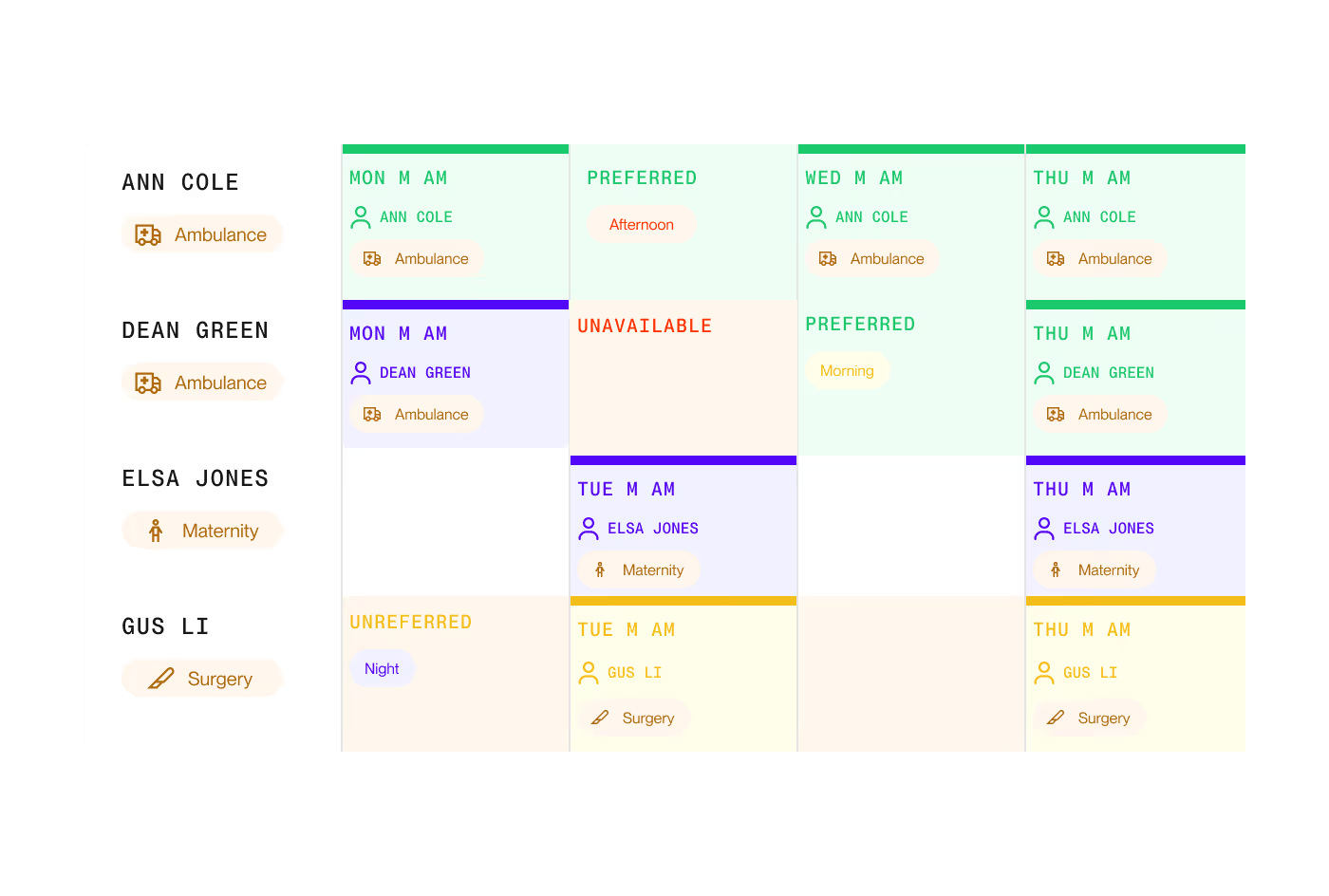
A picture you can spot-check.
Built-in views per model. Calendars for shifts, maps for routes, Gantt for tasks. For planners to spot-check, not for distribution to end users.
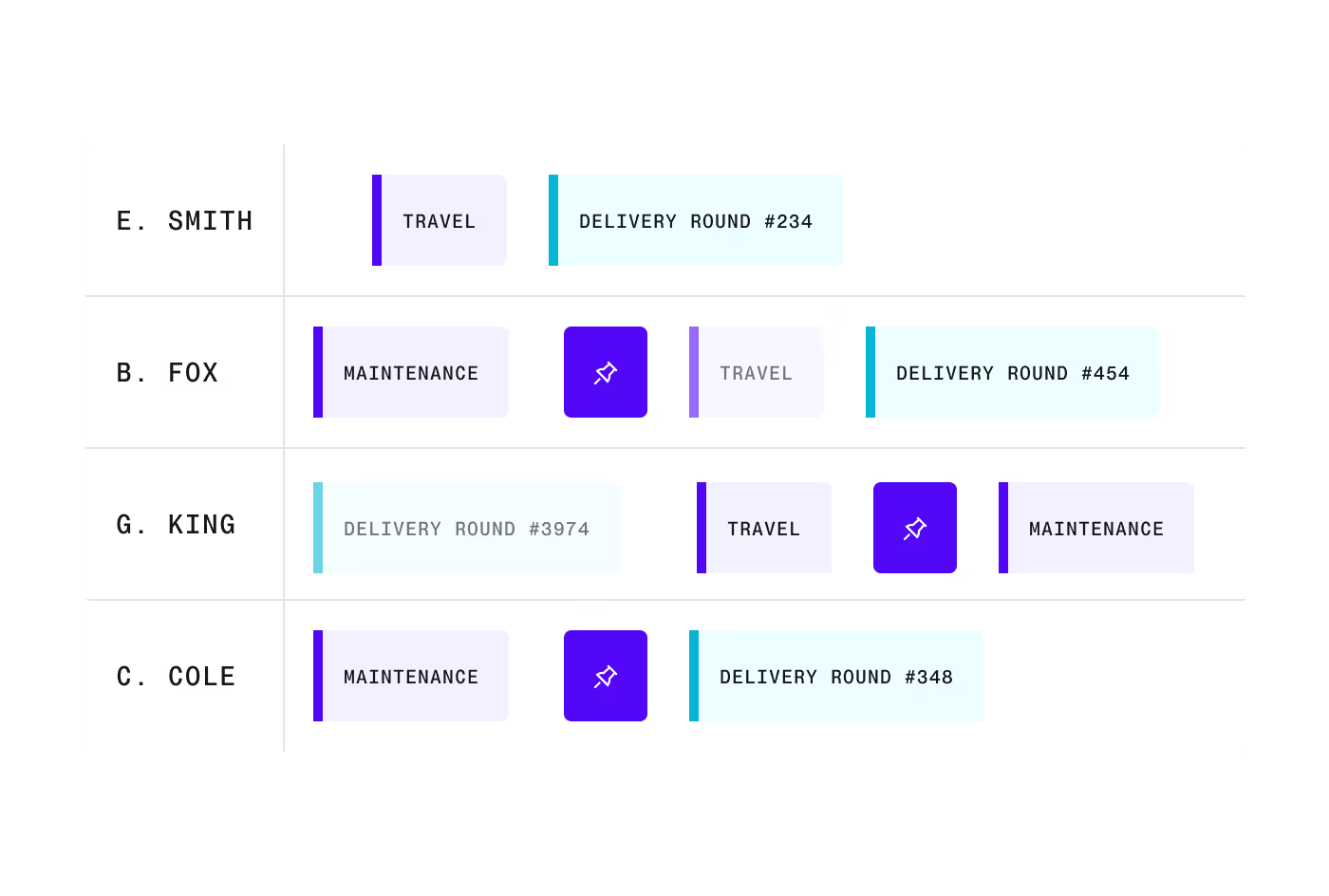
Plan around what you've already decided.
Lock the assignments that can't move and the solver optimizes everything else around them.
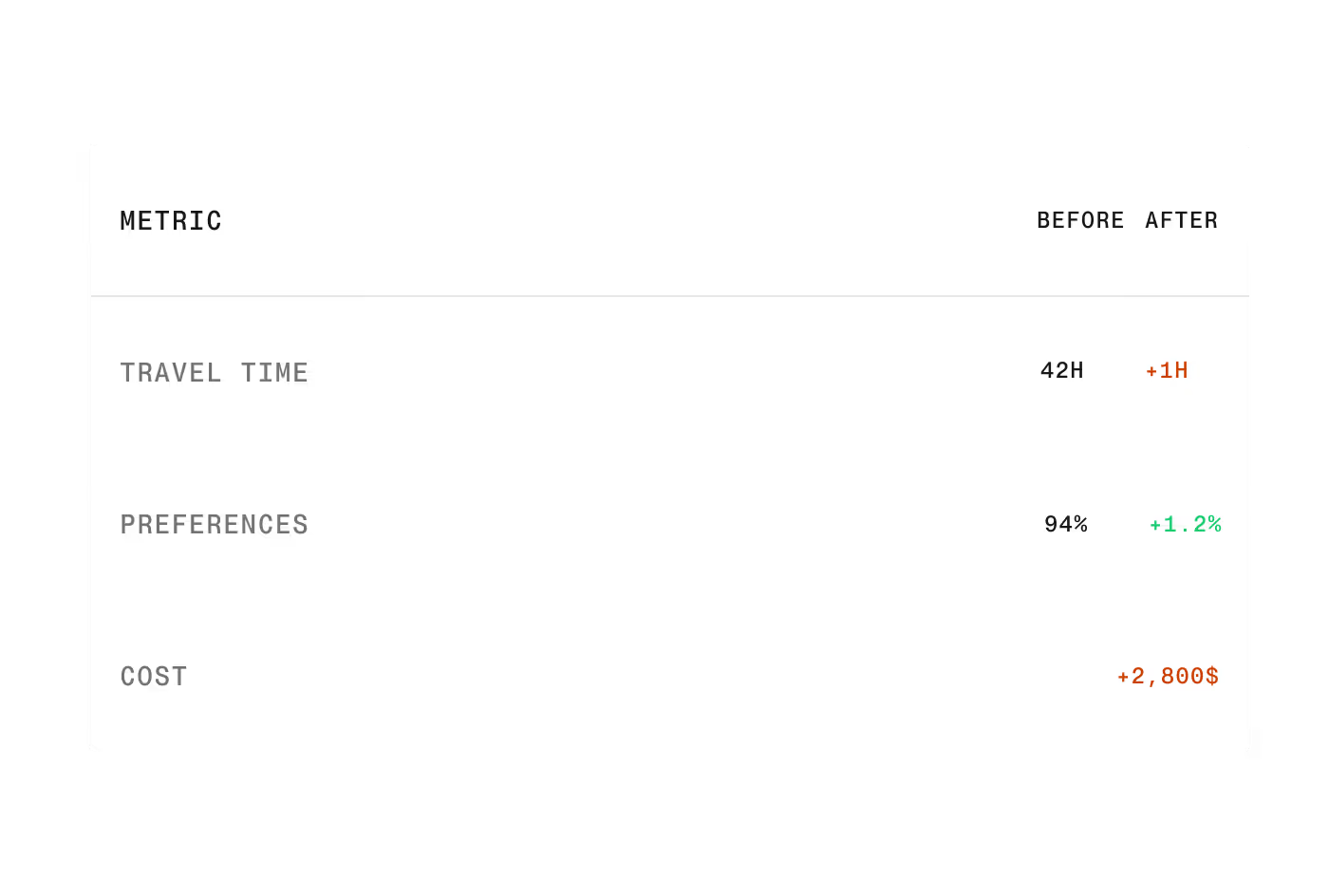
Try a manual change. See what breaks.
Propose a swap, see immediately whether it's feasible and how it shifts the plan's metrics. No guessing.

IT and Ops on the same page
Implementation succeeds when developers and operational planners look at the same plan and speak the same language. The platform is built so they do.
Verify the integration is correct
Pull the plan, score breakdown, recommendations, and validation issues through the same APIs you already use. Wire the metrics into your BI tools so a regression in plan quality doesn't go unnoticed.
Verify the plan fits the operation
Open a dataset in the platform UI. Spot-check the visualization, read the constraint analysis, propose a manual change and watch the metrics react.
Teams solving real scheduling problems
Our customers about their Timefold experience.


"Timefold worked in partnership with NEC to provide the optimisation required and extended their platform to accommodate specific requirements for the Social Housing sector. The time to market was shortened through agile partnerships working."

"Tasked with a complex scheduling problem for a prospect, we were operational in real-time, with real data in 4 days. Thanks in large part to the solid foundation of Timefold, the client selected us on the strength of our demonstration."

"We needed a solution that would integrate seamlessly into our technology stack. Timefold’s engineering-first mindset immediately stood out. Their capabilities are advanced and comprehensive, their APIs are exceptionally clean, and their economic model is both uncomplicated and well aligned with organizations that rely on a platform provider."


When scheduling works, everything works.
Less waste. More control. Teams that trust the plan.