Integrate into the stack you already have
Timefold APIs are clean REST endpoints. They use JSON, take the data your systems already produce, and return plans wherever you need them, so you don't replace anything to add optimized planning.






































How to integrate with
Get started with our standard integrations.

Timefold + Salesforce

Timefold + ODOO
Why this works for builders
Four reasons Timefold is easier to integrate than a vertical app or a problem-specific solver.
Code-agnostic REST
Simple REST APIs documented through OpenAPI. Use any language or framework your team already builds with.
No replacement
Timefold sits beside the systems you already run. Your ERP, HRIS, and CRM stay as your sources of truth.
Your data, your shape
Send planning problems as JSON in the shape your domain already uses. Timefold validates and returns clear errors.
Real-time, when you need it
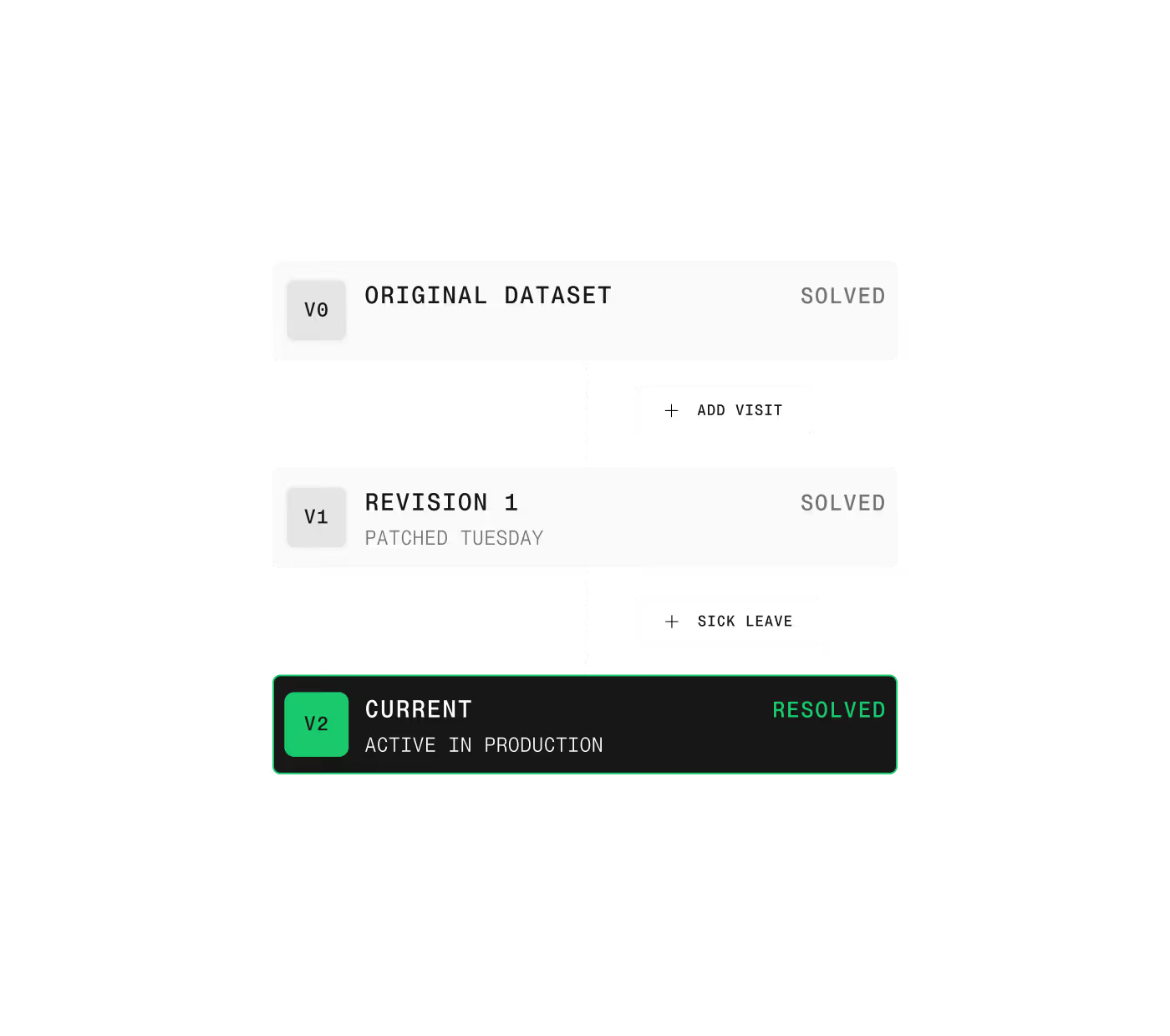
Send incremental updates instead of resending the world. The platform tracks revisions so you can roll back or compare.
Built for the data you already have
A planning model needs four kinds of input. None of them are exotic. All of them already live in your stack.
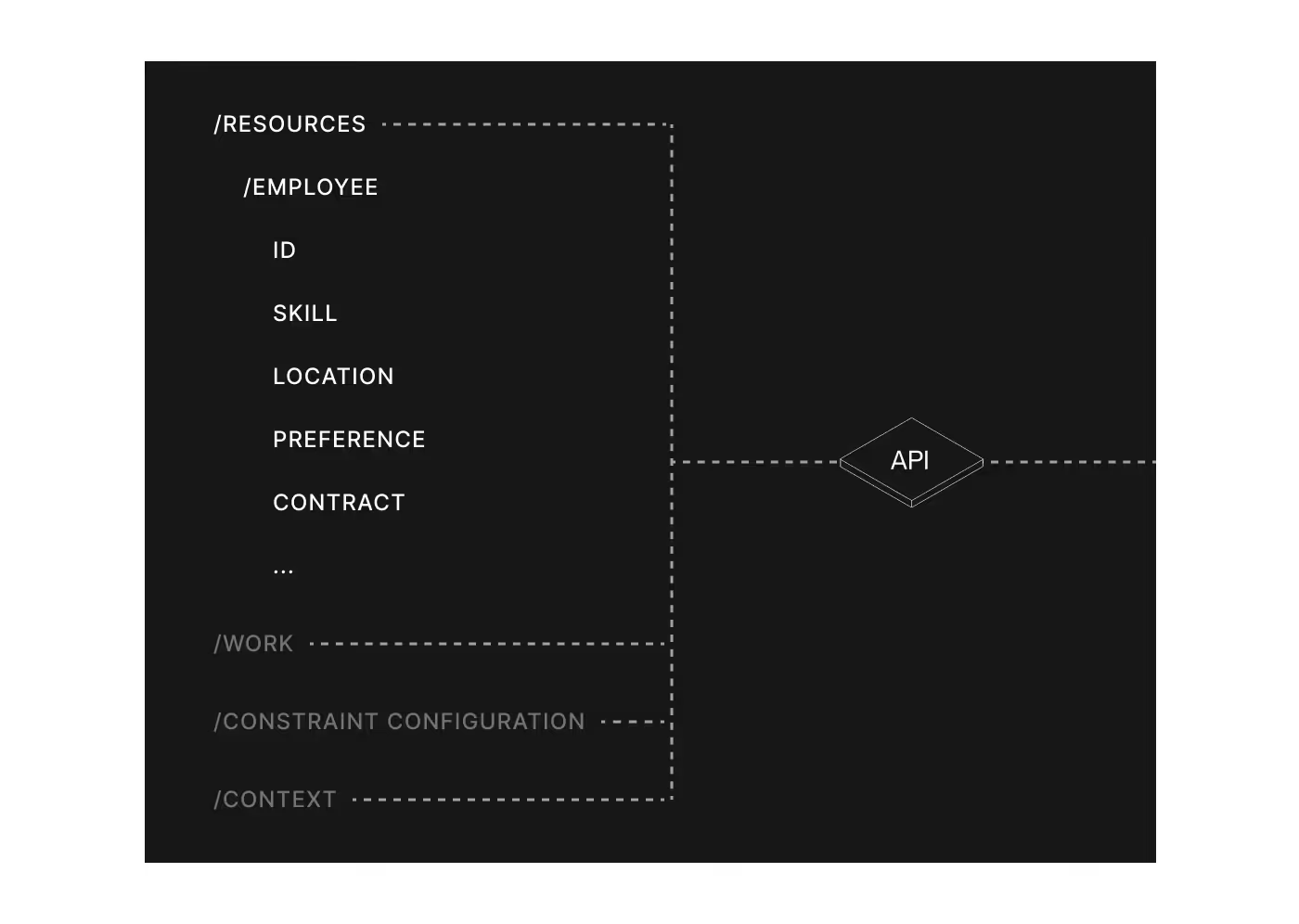
Who and what does the work
The people, vehicles, equipment, and skills that execute the work. Timefold uses the operational data you already maintain to assign resources, balance workloads, and create plans that work in the real world.
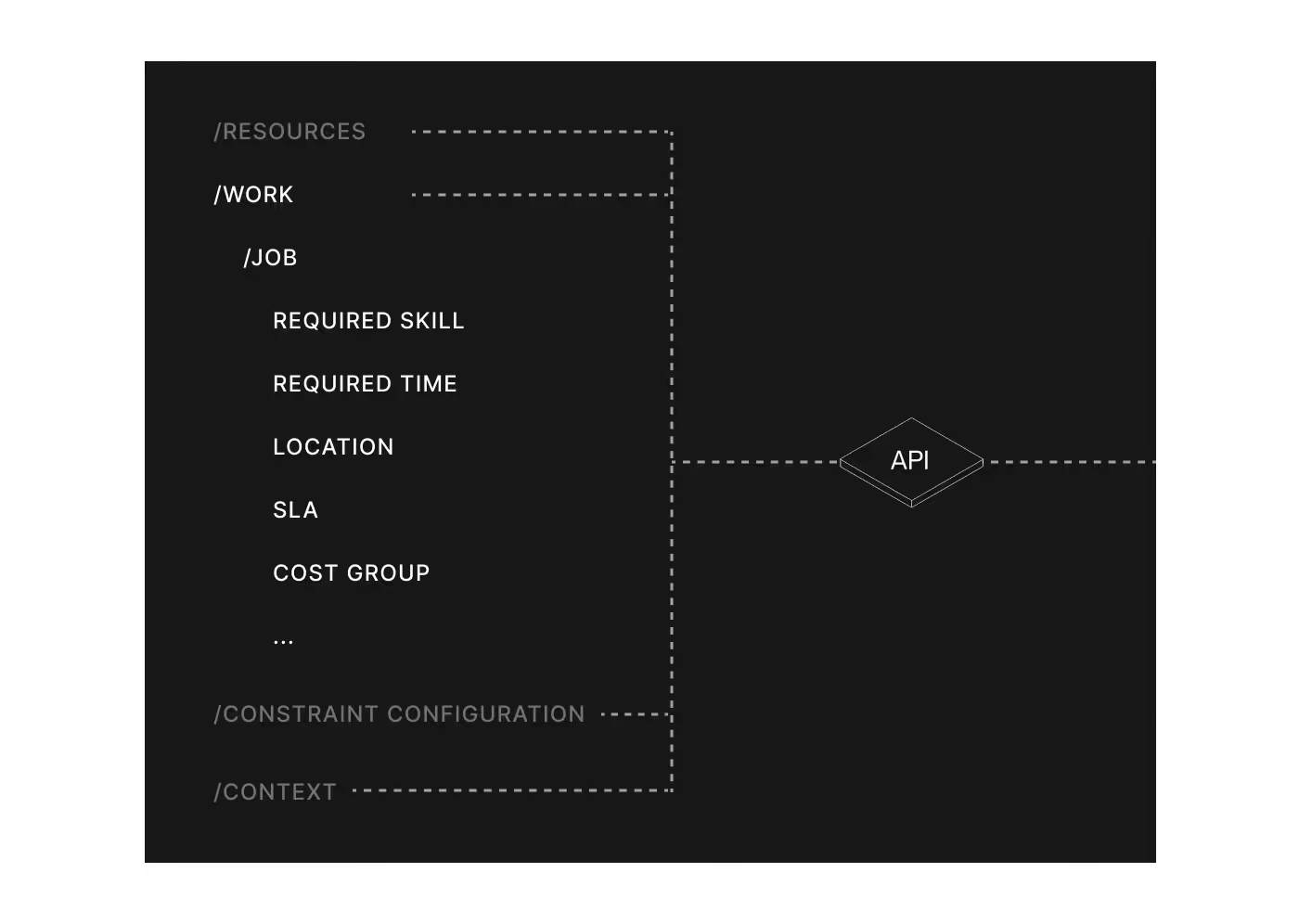
What needs to happen
The jobs, shifts, visits, and orders that need to be completed. Timefold continuously evaluates demand, priorities, and dependencies to create optimized plans that adapt as work changes.
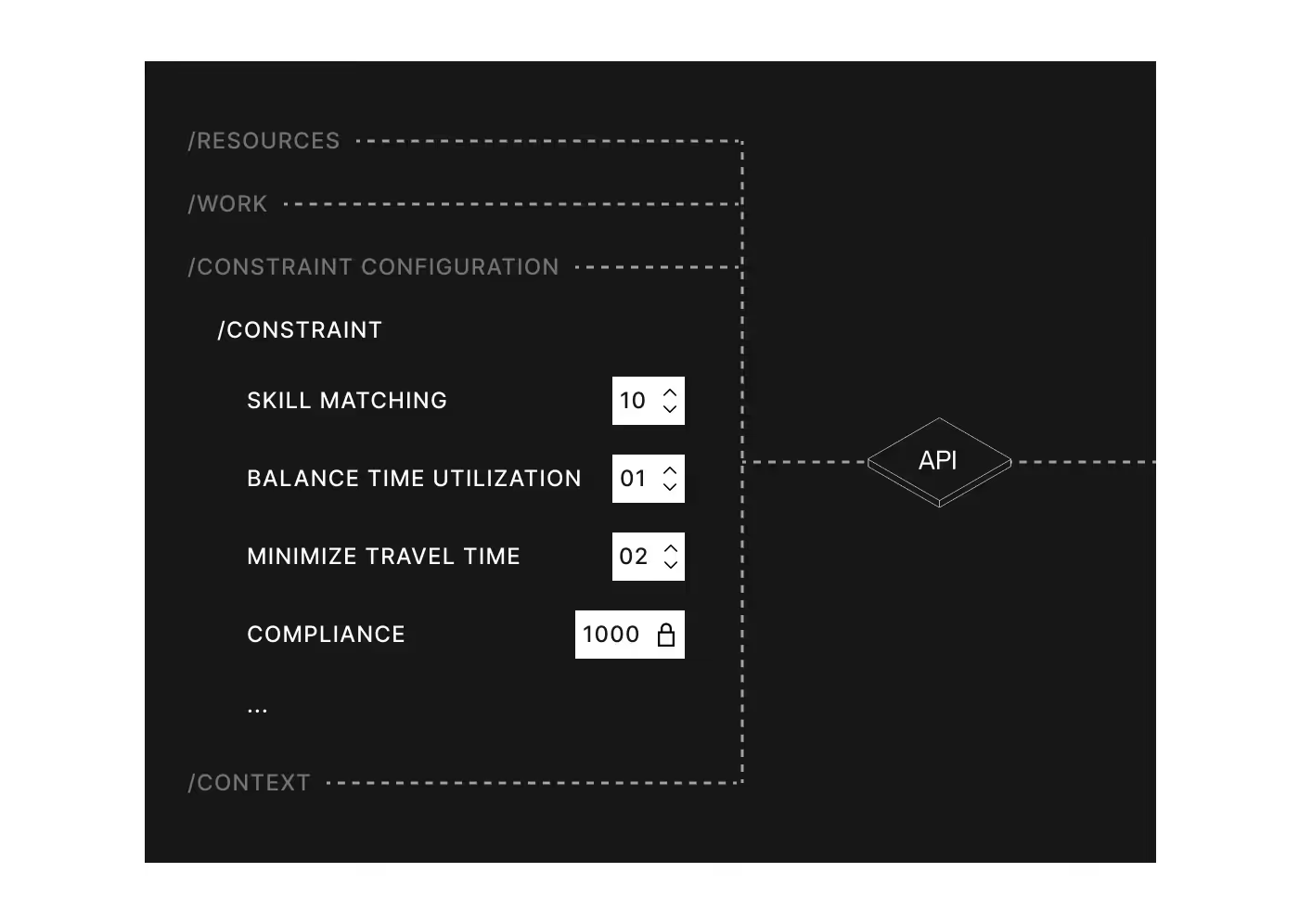
The rules that shape a good plan
Every operation runs on rules, requirements, and trade-offs. Timefold balances skills, time windows, compliance, fairness, and custom business logic to produce plans that work in practice.
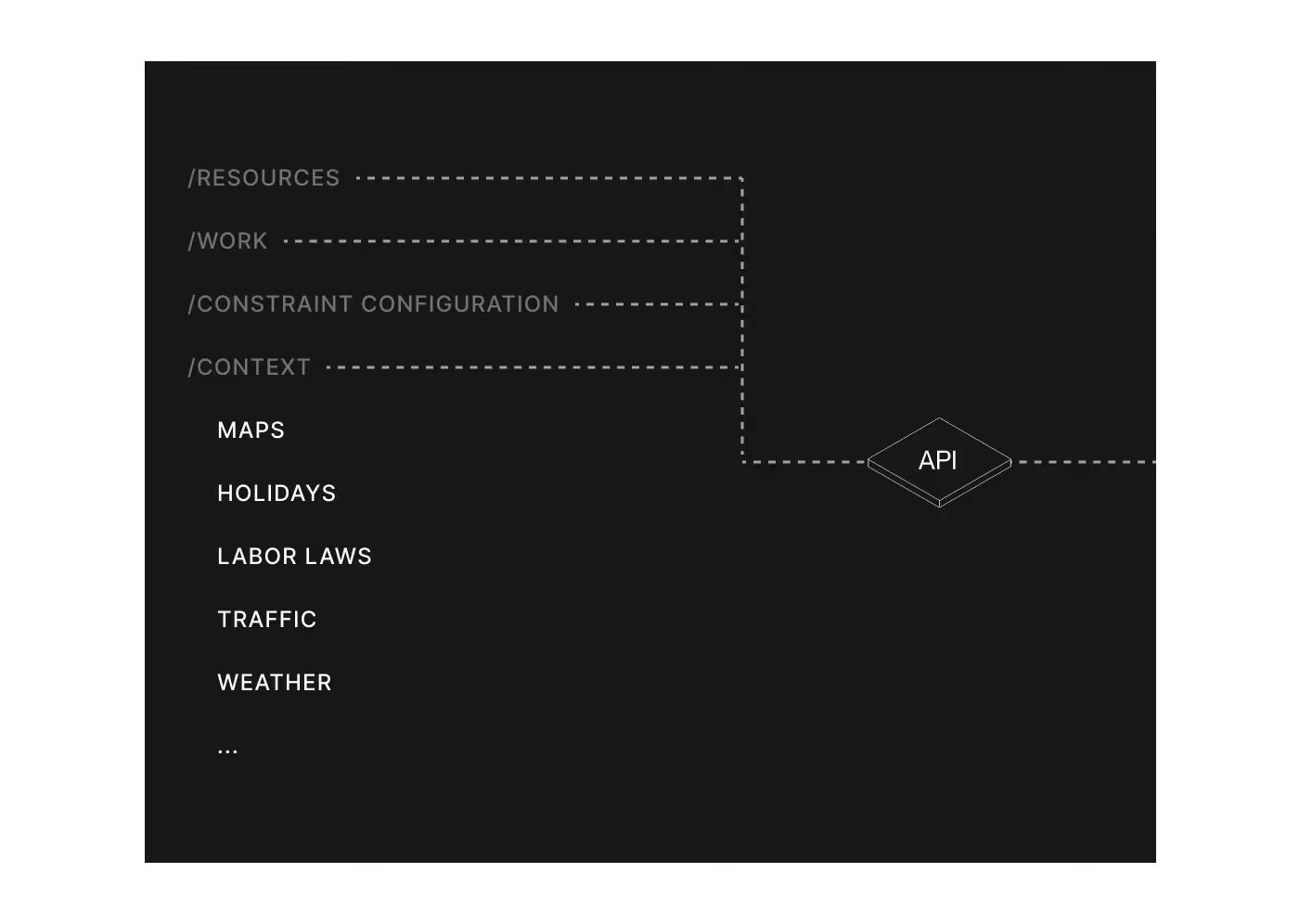
The world the plan lives in
Planning decisions depend on more than resources and work. Timefold incorporates maps, travel times, calendars, locations, and operational context to ground every plan in reality.
Scheduling is subject to more than operational data
To manage mobile operations, you need maps and traffic data. To keep your schedules alive even when reality hits, you need to be able to handle input in real time.
Maps and traffic
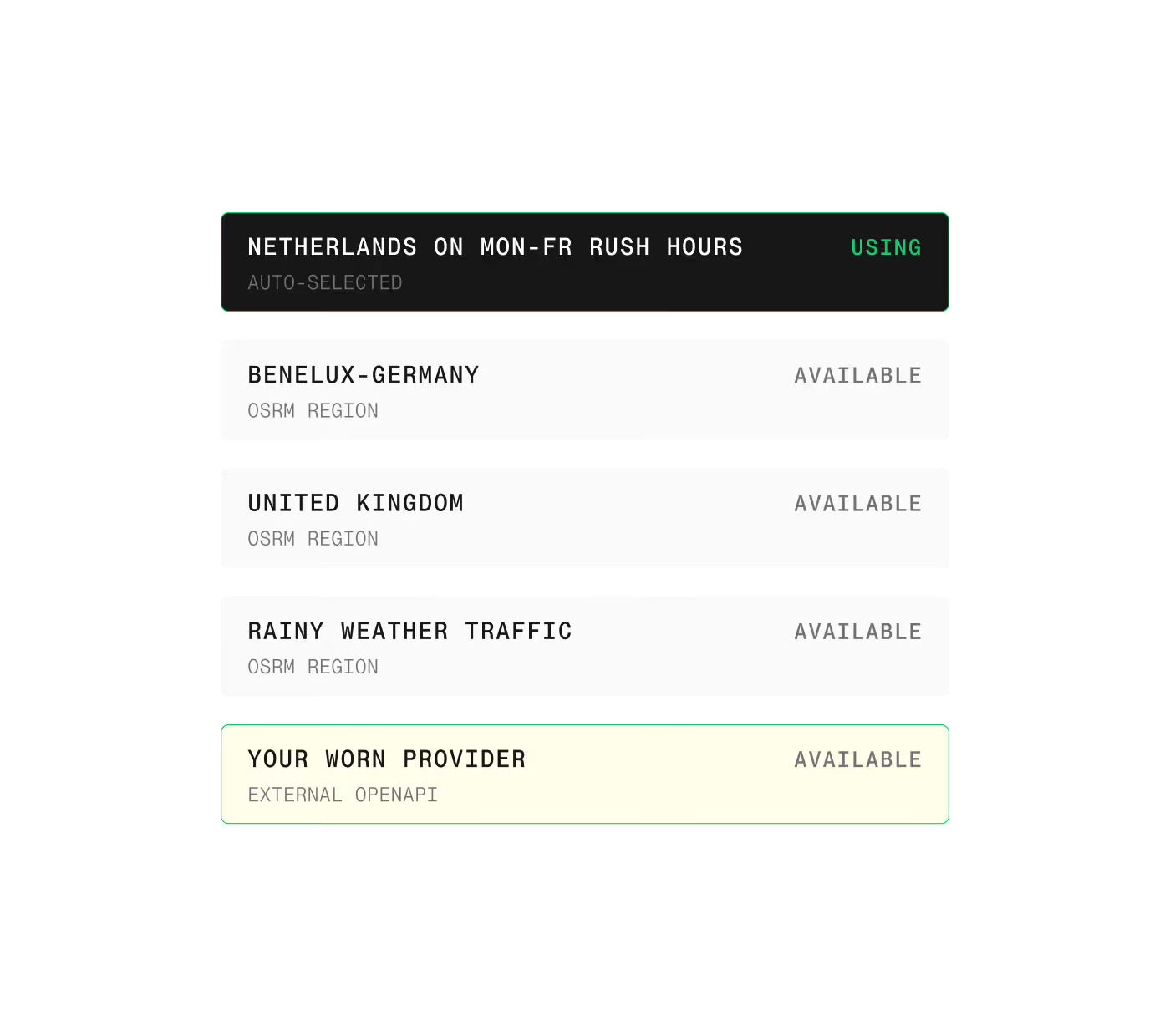
For routing problems, the platform comes with a maps service that pre-calculates and caches distance and travel matrices. Coordinates go in, an optimized route comes out.
React in real time, keep your schedules alive
Operations never stand still. Someone calls in sick, an urgent job lands, a vehicle hits traffic. Feed the change as it happens and Timefold replans from your current schedule, not from scratch. Freeze what's already in motion, pin what shouldn't move, and let the solver absorb the rest with minimal disruption. Choose a quick local fix or a full replan, so your schedule keeps up with reality instead of breaking under it.
JSON in, JSON out
Send your problem in, get an optimized plan back, along with its score analysis and KPIs. Both directions use REST patterns your stack already speaks.
Send your data, your way
POST a JSON dataset to the model's endpoint. The platform validates against the OpenAPI schema before any work starts.
Get the plan to wherever it needs to go
Three delivery shapes for the plan, plus the rich data the platform produces alongside it.
Teams solving real scheduling problems
Our customers about their Timefold experience.


"Timefold worked in partnership with NEC to provide the optimisation required and extended their platform to accommodate specific requirements for the Social Housing sector. The time to market was shortened through agile partnerships working."

"Tasked with a complex scheduling problem for a prospect, we were operational in real-time, with real data in 4 days. Thanks in large part to the solid foundation of Timefold, the client selected us on the strength of our demonstration."

"We needed a solution that would integrate seamlessly into our technology stack. Timefold’s engineering-first mindset immediately stood out. Their capabilities are advanced and comprehensive, their APIs are exceptionally clean, and their economic model is both uncomplicated and well aligned with organizations that rely on a platform provider."

The rest of the platform
Integrations is one slice. The platform is the rest.

When scheduling works, everything works.
Less waste. More control. Teams that trust the plan.